Why a Sardinian Road Trip?
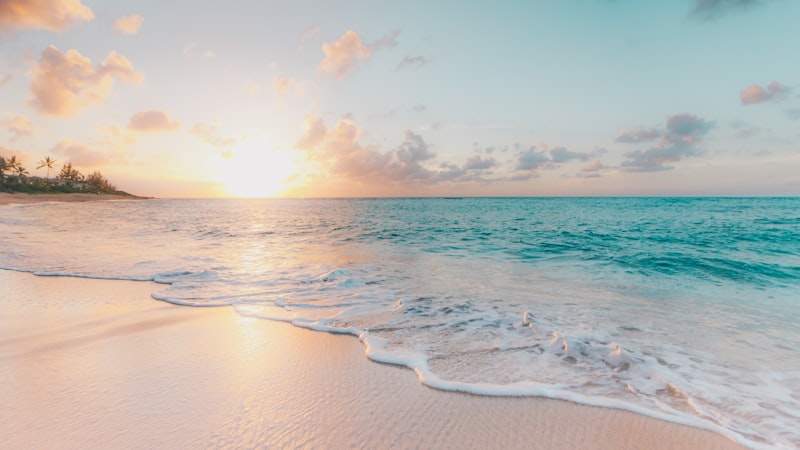
Sardinia is Italy's second-largest island, distinct culturally, linguistically, and gastronomically from mainland Italy. Its 1,900 kilometers of coastline features some of Europe's most pristine beaches. Simultaneously, the island's mountainous interior preserves ancient Nuragic civilization ruins and traditional culture. A 14-day road trip balances beaches with mountains, tourism hotspots with authentic villages, and modern comfort with timeless traditions.
Sardinia requires a car to fully explore. While buses exist, routes are limited and schedules unpredictable. Car rental from the airport costs 30-60 euros daily for economy vehicles. This guide assumes self-driving.
Getting to Sardinia and Car Rental
Flights: Alghero (AHO) and Cagliari (CAI) airports serve the island. Budget airlines like Ryanair offer Rome to Cagliari flights for 15-50 euros. Flying from mainland Italy to Sardinia costs significantly less than ferries (which take 12+ hours).
Car Rental: Book via major agencies (Hertz, Avis, Sixt) or local companies. Economy cars cost 30-50 euros daily with unlimited mileage. Add €12-18 daily for comprehensive insurance (recommended for unfamiliar roads). Fuel costs approximately 1.60 euros per liter; a full tank (60 euros) covers about 800 kilometers.
Roads: Sardinian roads are well-maintained with clear signage. Speed limits are 130 km/h on highways, 90 km/h on regional roads. The SS1 highway circles the entire island, making navigation straightforward. Fill up in towns; rural petrol stations are sparse.
Days 1-3: Cagliari and the South
Day 1: Arrive Cagliari, Explore the Capital Cagliari is Sardinia's capital and main urban center. Arrive at the airport and collect your rental car. Drive to the city center (30 minutes, 20 euros in parking fees for overnight).
Caglari's hilltop old town (Su Casteddu in Sardinian) is remarkably preserved medieval architecture. Narrow streets wind upward to the Cathedral and city walls offering sweeping views across the Bay of Cagliari. Visit the Museo Archeologico Nazionale to understand Nuragic civilization (ancient megalithic culture predating Romans) through pottery, bronze figurines, and architectural remains. Entry is 12 euros. Allow 2 hours.
Evening dinner at Su Cumbidu, a traditional Sardinian restaurant, serves malloreddus (shell-shaped pasta with tomato and saffron sauce, 12 euros), bottarga (salted fish roe pasta, 14 euros), and local Cannonau wine (6 euros per glass). The casual atmosphere and authentic clientele make this ideal for experiencing Sardinian cuisine.
Day 2: Beaches South of Cagliari Drive 45 kilometers south to Chia, home to Sardinia's finest white-sand beaches. Spiaggia di Chia features turquoise water, 2 kilometers of sand, and reasonable development. Parking costs 5 euros. Swim, walk the beach, and enjoy lunch at a beachfront restaurant.
Ristorante Spiaggia serves fresh grilled fish (branzino, 18 euros) and cold seafood salads (13 euros) directly overlooking the beach. The view of crystal-clear water is worth the 5-euro markup versus inland restaurants.
Return to Cagliari or continue to coastal town Santa Margherita di Pula (35 kilometers from Cagliari) for overnight. This small beachside village offers excellent value with apartments via DirectBookingsItaly.com (80-120 euros nightly) and minimal tourist infrastructure.
Day 3: Tuerredda Beach and Pula Nuraghe Drive 10 kilometers north to Tuerredda Beach, consistently ranked among Italy's most beautiful beaches. The beach is small (600 meters) but has stunning turquoise water and white sand. A tiny island, Isola del Cavallo, sits 150 meters offshore. Swimming and snorkeling are excellent.
In the afternoon, visit Pula Nuraghe, a 4,000-year-old megalithic structure built by Sardinia's ancient inhabitants. The complex stone tower is still partially standing. Entry is 3 euros. While the ruins are modest compared to Mediterranean sites like Greece's, they provide genuine insight into pre-Roman Sardinia.
Return to your accommodation and prepare for the 14-16 hour drive north to Costa Smeralda.
Days 4-6: Costa Smeralda and North Coast
Day 4: Orosei to Porto Cervo Drive Time Leave at 8 AM for an early start. The drive from Cagliari to Costa Smeralda is 300 kilometers, taking 4-5 hours depending on traffic. Route via SS131 is the fastest option. Stop in Nuoro (midway point) for lunch.
Nuoro Lunch Stop: Nuoro is a hilltown in Sardinia's interior, less touristic than coast but culturally richer. Visit Museo della Vita e delle Tradizioni Sarde, a folk museum displaying traditional textiles, leather goods, and household items (5 euros, 1 hour). Eat Polenta (a local dumpling specialty, 8 euros) at a traditional restaurant.
Continue driving north toward Porto Cervo (4 hours from Nuoro). Arrive late afternoon. Porto Cervo is Sardinia's most exclusive destination, famous for mega-yachts and millionaires. The main piazza is lined with designer boutiques and expensive restaurants. Accommodation here costs 150-300+ euros nightly.
For budget conscious travelers, skip Porto Cervo's accommodations and instead stay in nearby Arzachena (15 kilometers south), a more affordable hilltop town with apartments 80-130 euros via DirectBookingsItaly.com.
Day 5: Beaches Around Costa Smeralda Costa Smeralda's beaches are Sardinia's most famous. Spiaggia di Li Cossi is a pristine crescendo of white sand backed by pine trees. Access is free (parking costs 5 euros). Spiaggia di Liscia Ruja is equally beautiful with fewer people on weekdays.
Snorkeling is excellent in the clear turquoise waters. Bring your own mask and fins (rentals are overpriced at 8-12 euros). Visibility often exceeds 20 meters. Sea urchins inhabit rocky areas; wear water shoes (8 euros) to protect your feet.
Visit Caprera Island via a 15-minute ferry from Porto Cervo (10 euros return). The island is a national park dedicated to Giuseppe Garibaldi, the revolutionary who unified Italy. The boat ride offers incredible views of Costa Smeralda's rocky coastline.
Day 6: La Maddalena Archipelago Drive 40 kilometers north to La Maddalena, a small town on the largest island of an archipelago. The drive is coastal, passing through several scenic towns. Ferries between islands are frequent and cheap (2-3 euros per journey).
Spiaggia del Relitto features a sunken ship wreck visible from the beach in shallow water. Snorkelers can view the wreck at 5-8 meters depth. The beach is free with 5-euro parking.
Spiaggia Spargi (accessed by ferry from Maddalena town) is considered Sardinia's most beautiful beach. Small crescents of white sand meet turquoise water with rocky outcrops ideal for snorkeling. Ferry costs 15 euros return; the day trip is worth every euro.
Days 7-9: Northwest Coast and Alghero
Day 7: Drive to Alghero The drive from La Maddalena to Alghero is 150 kilometers taking 2.5-3 hours. Stop in Castelsardo, a clifftop medieval town with narrow winding streets and castle ruins. The view from the top is exceptional. Continue driving west toward the coast.
Alghero is Sardinia's most charming coastal town, with a Catalan heritage (it was briefly ruled by Aragon in the 14th century). The old town has narrow cobbled streets, authentic restaurants, and waterfront views. Park in the new town and walk into the historic center (pedestrian-only zone).
Stay in Alghero using DirectBookingsItaly.com for apartments (85-140 euros nightly) in the old town. Central location and authentic atmosphere are worth the premium versus chain hotels.
Day 8: Alghero Exploration Spend the full day in Alghero. Walk the medieval town walls built by the Spanish in the 14th century. The waterfront promenade offers sunset views across the sea toward Catalonia.
Church of San Francesco features a Gothic cloister (small entry fee, 2 euros). The Cathedral of Santa Maria (14th century) dominates the main piazza. Coral Museum (entry 5 euros) explains the traditional coral diving industry that enriched Alghero historically.
Dinner at Trattoria Maristella serves exceptional fresh seafood pasta (14-16 euros), grilled fish (16-20 euros), and local Vermentino wine (6 euros glass). Reserve ahead, as this locals' favorite fills quickly.
Day 9: Grotto Exploration and Neptune's Grotto Drive 20 kilometers south to Grotta di Nettuno (Neptune's Grotto), one of Europe's most spectacular cave systems. The entrance is 50 meters above the sea, accessed by 654 steps carved into the cliff. The internal chambers contain a subterranean lake, massive stalactites and stalagmites, and geological formations dating back millennia.
Entry is 15 euros (includes mandatory guide; tours in English available). The 90-minute tour covers 1 kilometer of the 4-kilometer grotto system. The cathedral chamber alone justifies the visit with its 60-meter ceiling and otherworldly formations.
Return to Alghero or continue driving 80 kilometers south to coastal town Bosa, another charming destination on the west coast with good restaurants and accommodations.
Days 10-12: Central and Southern Interior
Day 10: Drive to Nuoro and Mountains Leave the coast and drive inland 100 kilometers to Nuoro, Sardinia's cultural heart. The landscape transitions from beach and scrubland to mountainous terrain with limited vegetation and dramatic rock formations.
Nuoro sits at 540 meters elevation and preserves traditional Sardinian highland culture. The town is small (36,000 people) with winding streets and limited tourism. Stay in a family guesthouse or small hotel (60-100 euros).
Visit the Museo della Vita e delle Tradizioni Sarde (Folk Museum) displaying centuries of traditional textiles, beadwork, and regional costumes. Entry is 5 euros; allow 2 hours. The museum provides invaluable context for understanding Sardinian identity distinct from mainland Italy.
Day 11: Gennargentu Mountains and Highlands Drive 60 kilometers east to Nuraghe Barumini, a complex megalithic fortress system from 1500 BCE. The Su Nuraxi complex features concentric stone towers and settlements. UNESCO heritage site entry is 13 euros; guided tours (in English) are highly recommended (additional 8 euros). Tours last 90 minutes and reveal the sophistication of pre-Roman Sardinian civilization.
In the afternoon, drive to the Gennargentu Mountains (Sardinia's highest range, peaks exceeding 1800 meters). The area is rural, sparsely populated, and preserves traditional shepherding culture. Stop in the hilltown Orgosolo famous for murals covering building facades depicting Sardinian culture, politics, and history. The murals are politically charged, celebrating independence and criticizing central Italian government.
Day 12: Fonni to Coastal Transition Drive through the Gennargentu range to Fonni, the highest town in Sardinia (1024 meters elevation). The air is noticeably cooler and fresher than coastal areas. The landscape is dramatic with granite peaks and Mediterranean scrubland.
Eat lunch at a traditional mountainside restaurant serving Culurgiones (Sardinian ravioli filled with meat and herbs, 10 euros) and Pane Carasau (paper-thin bread, 2 euros). The food reflects Sardinia's pastoral heritage.
Drive to the eastern coast to prepare for final days. The journey is 100 kilometers taking 2 hours. Stop in Dorgali, a village famous for limestone stone carving and crafts, as a potential overnight stop.
Days 13-14: Eastern Coast and Return
Day 13: Cala Gonone and Orosei Gulf The eastern coast offers different scenery from the more famous western and northern beaches. Cala Gonone is a small resort town nestled in a valley facing a pristine beach. The setting is dramatic with limestone cliffs rising behind the town.
Visit Spiaggia Cala Luna via hiking trail from Cala Gonone (90 minutes roundtrip, moderate difficulty, magnificent limestone scenery) or boat tour (20 euros return, 1 hour). The beach is backed by sea caves and towering cliffs. Swimming and snorkeling are excellent.
Overnight in Cala Gonone (apartments 90-140 euros via DirectBookingsItaly.com).
Day 14: Return to Cagliari or Alghero The drive back to either airport takes 3-5 hours depending on your departure city. Drive toward your airport of choice and return the rental car. Refuel before arrival (petrol station near the airport charges premium prices).
If departing from Cagliari (5 hours from Cala Gonone), drive through Nuoro and stop for a final traditional Sardinian lunch at a roadside restaurant. If departing from Alghero (4 hours from Cala Gonone), take the northwestern route passing through Orosei and Siniscola.
Budget Breakdown for 14 Days
Car rental (14 days): 420-700 euros. Fuel: 80-120 euros. Accommodation (13 nights): 1,040-1,820 euros (average 80-140 euros nightly). Food: 40-70 euros daily = 560-980 euros. Entrance fees, ferries, activities: 200-300 euros. Total: 2,300-4,000 euros per person (varies significantly based on accommodation and dining choices).
Practical Tips
When to Visit: April-May and September-October offer ideal weather (22-26C), fewer crowds, and lower accommodation prices. June-August is hot (28-35C) and crowded with families and tourists.
Driving Notes: Sardinian roads are good but winding. Allow extra time for mountain routes. Some rural roads are unpaved but passable with normal cars. Fill fuel tanks before leaving towns.
Language: Sardinian is the local language, but Italian is universal. English speakers are less common outside tourist areas. Learning basic Italian phrases helps.
Food and Wine: Sardinia has distinct cuisine from mainland Italy. Try local specialties: malloreddus, culurgiones, bottarga, suckling pig roasted (porceddu), and Cannonau wine (red, 5-8 euros bottles). The food is delicious and remarkably affordable.
Beaches: Don't expect amenities at smaller beaches. Bring water, snacks, and sunscreen. Lifeguards are absent at many beaches; swim near others for safety.
Alternative Routes and Adjustments
This itinerary is flexible. If you have more time, add days at specific beaches or explore mountain villages. If you have less time (7-10 days), focus on either the north coast (Costa Smeralda) and west (Alghero) or the south (Cagliari) and east (Orosei). Both are rewarding routes.
For those seeking cultural depth, allocate more days to interior mountains (Nuoro, Gennargentu) and less to beaches. For beach lovers, reverse the balance.
Explore more: Bologna Food Capital, Abruzzo, Venice Grand Canal.
Conclusion
A 14-day Sardinian road trip balances stunning Mediterranean beaches, dramatic mountain landscapes, ancient history, and authentic culture. The island is large enough for variety but small enough to drive completely. Self-driving provides flexibility to explore at your own pace, discover hidden beaches, and experience authentic villages beyond tourist corridors. Sardinia rewards travelers who venture beyond famous resorts and spend time understanding both its modern character and ancient heritage.