Abruzzo: Italy's Hidden Gem Between Mountains and Coast
Abruzzo sits ignored by most international tourists, yet offers Italy's most stunning natural diversity: dramatic Apennine mountains (Gran Sasso, Majella), pristine Adriatic beaches, medieval hilltop villages, and exceptional food culture centered on simplicity and mountain ingredients. The region's geographic position between mountains and coast, combined with low tourism infrastructure, creates authentic Italian experience unavailable in crowded classics. Accommodation averages EUR 60-90 nightly, restaurant meals EUR 10-15, and beaches and hiking rival southern France while remaining virtually unknown beyond Italian tourists. This comprehensive guide reveals Abruzzo's hidden character, logistics, and why this underrated region deserves serious consideration for Italian travel.
Understanding Abruzzo's Geography
Abruzzo occupies central-eastern Italy, bounded by the Apennines and the Adriatic. The region divides into three distinct zones: mountainous interior (Gran Sasso, Majella mountains with peaks exceeding 2,800 meters), piedmont foothills, and coastal Adriatic strip. Unlike other Italian regions dominated by single city-centers, Abruzzo is distributed: L'Aquila (mountain capital, recovering from 2009 earthquake), Pescara (coastal city, less interesting), and numerous small villages throughout mountains. This distributed geography encourages exploration rather than single-city focus.
Why Abruzzo Remains Unknown
International tourism marketing emphasizes Tuscany, Amalfi, and Venice, creating a self-reinforcing feedback loop. Abruzzo lacks these famous names despite equal or superior natural beauty. The 2009 L'Aquila earthquake damaged tourism infrastructure and regional confidence, though reconstruction is substantial. Limited international flight access to the region (most travelers fly into Rome or other hubs and drive 2+ hours) contributes to tourism invisibility. The result: Abruzzo is genuine hidden gem rather than merely undiscovered.
Mountain Experiences: Gran Sasso and Majella
Gran Sasso Overview
Gran Sasso, the Apennines' highest peak (2,912 meters), dominates Abruzzo's landscape. The massif offers exceptional hiking across numerous trails and elevations. Unlike Alps requiring technical equipment, Gran Sasso provides accessible hiking for moderate fitness levels. Summer conditions (June-September) deliver predictable weather and established trail maintenance. The nearby town of Santo Stefano di Sessanio (medieval village perched at 1,250 meters) serves as excellent hiking base.
Recommended Hikes
The traverse between Prati di Tivo and Gran Sasso's summit route (intermediate, 4-5 hours) delivers dramatic mountain scenery and views across Adriatic. Campo Imperatore's high plateau (2,100 meters) offers accessible driving-and-walking approach (scenic driving to trailhead, 90-minute walk achieving summit experience without technical climbing). The trail network is extensively marked, and local maps (available in villages) guide exploration.
Hiking Infrastructure and Costs
Mountain rifugios (small inns providing meals and accommodation) cost EUR 50-70 nightly, including dinner and breakfast. This allows multi-day mountain experiences without camping. Day hikes require only local maps and appropriate footwear. Most trails are free; no lift passes or permits required.
Majella Mountain Alternative
Majella massif (2,793 meters) offers equally impressive scenery with slightly less crowded trails than Gran Sasso. The medieval village of Caramanico Terme sits at Majella's base, serving as hiking hub with similar infrastructure and pricing.
Coastal Beaches: Unknown Riviera
Adriatic Coast Character
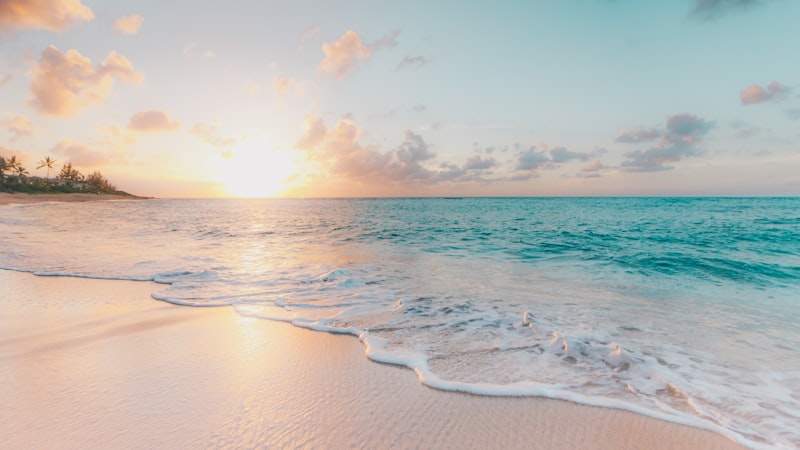
Abruzzo's 130-kilometer Adriatic coastline features sandy beaches, small harbors, and underdeveloped charm. Unlike Amalfi's crowds or Liguria's premium pricing, Abruzzo's beaches remain quiet with locally-focused tourism. Water is clean and warm (27-28C in August). Beach season runs May-October comfortably; July-August are warm but less crowded than Mediterranean classics.
Key Coastal Towns
Giulianova is the coast's most developed town, featuring 1920s-era promenade architecture, sandy beaches, and modest tourist infrastructure. Hotels and apartments cost EUR 60-100 nightly. The town has authentic charm: evening passeggiata (social strolling) along the waterfront, seafood restaurants, and local beach culture. Restaurants serve excellent fresh fish: sea bass (branzino) grilled EUR 14-18, spaghetti al nero di seppia (cuttlefish ink pasta) EUR 12-14.
Pineto, south of Giulianova, is slightly smaller with wider beaches and more natural landscape. Accommodation averages EUR 55-85 nightly. The town is less developed than Giulianova but equally charming. Pineto's pine forests (giving the town its name) provide shade and Mediterranean atmosphere.
Vasto, further south toward Puglia, combines coastal beaches with hilltop old town offering views across Adriatic. Accommodation cost EUR 50-80 nightly (cheapest on coast). Vasto offers best value for beach-focused travelers combining coast and culture.
Beach Clubs and Facilities
Unlike crowded Mediterranean alternatives, Abruzzo's beaches feature minimal infrastructure. A handful of beach clubs (stabilimenti) charge EUR 5-8 daily or provide free access with food/drink purchases. Beaches are largely natural and unstructured, appealing to travelers seeking authentic seaside experience rather than resort amenities.
Medieval Villages: Mountain Culture
Santo Stefano di Sessanio
This extraordinary village (population approximately 100) sits at 1,250 meters, surrounded by medieval stone houses and narrow walking lanes. Many buildings have been restored into small hotels and vacation rentals (EUR 50-90 nightly through DirectBookingsItaly.com). The town has a single small restaurant: Cantina di Santo Stefano serves traditional mountain cuisine emphasizing local products (cured meats, cheeses, vegetables). Reservations are essential.
Santo Stefano is 20 kilometers from Gran Sasso's main trailheads and ideal for travelers seeking mountain authenticity combined with hiking accessibility. The village itself becomes a destination, not merely accommodation base.
Scanno
Scanno, the "Abruzzo Jewel," sits at 1,050 meters with dramatic mountain views and traditional narrow streets. The town is known for traditional weaving culture (Scanno linen is famous throughout Italy) and natural lake (Lago di Scanno) providing swimming and scenic walks. Accommodation averages EUR 55-85 nightly. The town attracts more tourists than Santo Stefano but remains genuinely quiet compared to classic Italian destinations.
Civitella del Tronto
This hilltop fortress village (900 meters elevation) provides historical interest beyond simple mountain aesthetics. The fortress (Fortezza di Civitella) is substantial and navigable. Accommodation averages EUR 50-75 nightly. The town overlooks rolling Abruzzo countryside and provides excellent location for exploring mountain approaches to the coast.
Food and Wine: Abruzzo's Culinary Identity
Mountain Cuisine Philosophy
Abruzzo's food culture prioritizes simplicity, seasonality, and mountain ingredients. Cured meats (porchetta, pancetta), cheeses (caciocavallo, pecorino), vegetables preserved or fresh, and minimal spicing characterize regional cooking. This stands in contrast to Tuscany's sophistication or Lazio's tourist-focused innovation.
Essential Abruzzo Dishes
Arrosticini: Skewered lamb pieces (typically 5-7 pieces per skewer) grilled over charcoal. This Abruzzo specialty costs EUR 5-8 per skewer in casual grills and restaurants. They're essential street food and casual meal staple.
Pasta alla Chitarra: Fresh pasta cut on a traditional wire instrument (chitarra, meaning "guitar"). The pasta is square-sided (not round like traditional spaghetti). Served with simple meat sauce or vegetables. EUR 10-12 in restaurants.
Brodetto: Adriatic fish stew using local catches, simmered in tomato and white wine. Coastal restaurants serve this as specialty. EUR 12-15 per serving.
Ventricina: Spreadable cured meat made from pork shoulder, fat, and spices. Served with bread as appetizer or snack. Cost EUR 2-4 per serving in delis.
Wine Culture
Montepulciano d'Abruzzo is Abruzzo's most famous wine: a medium-bodied red made from Montepulciano grape. It's exceptional value (EUR 5-8 per bottle retail, EUR 18-25 restaurant list). Trebbiano d'Abruzzo is the white alternative (crisp, fresh, EUR 5-7 retail). Regional wine bars (enotecas) offer tastings and education at minimal cost (EUR 10-15 for 4-5 wine tasting).
Practical Logistics: Getting to and Around Abruzzo
Access
Most international travelers arrive at Rome's airports (Fiumicino or Ciampino), then drive 2-2.5 hours to L'Aquila or coastal areas. Some use Pescara's airport (smaller, fewer connections) for direct coastal access. Driving is essential for exploring mountain villages; public transport exists but requires patience. Car rental costs EUR 40-60 daily; a week in Abruzzo costs approximately EUR 280-420 in rental plus EUR 50-80 in fuel depending on distance.
Best Based Locations
For mountain focus: Stay in Santo Stefano di Sessanio or Scanno (mountain villages with accommodation). For coastal-mountain balance: Use L'Aquila city (4 hours from coast, good infrastructure, reasonable accommodation EUR 55-85) as base with day trips toward mountains and week-long coast visits. For coastal focus: Base in Giulianova or Vasto with day trips into mountains.
Regional Distances
L'Aquila to Gran Sasso trailheads: 30-40 kilometers (45-60 minutes driving)
L'Aquila to Pescara coast: 150 kilometers (2-2.5 hours)
Santo Stefano di Sessanio to Gran Sasso: 20 kilometers (30 minutes)
Santo Stefano to coast: 100 kilometers (1.5-2 hours)
Mountain villages to each other: 20-50 kilometers (30-60 minutes depending on routes)
Seasonal Considerations
Mountain Season: June-September
Optimal hiking conditions with established trail maintenance and reliable weather. Alpine meadows bloom (July particularly). August is warmest (25-28C at altitude) with clear skies. Weather becomes unpredictable in September but still favorable for hiking.
Beach Season: May-October
Water temperature comfortable from June through September (25-28C). May and October provide pleasant weather but cooler water (18-20C) suitable for hardy swimmers.
Spring (April-May) and Autumn (October-November)
Mountain weather unpredictable; hiking feasible but requiring flexibility. Beaches still usable. Tourist crowds minimal; accommodation prices lowest (EUR 40-60 in smaller towns). Accommodation 30-40% cheaper than summer.
Winter: November-March
Mountain areas experience snow and poor hiking conditions. Beaches are off-season with many facilities closed. Some mountain villages empty substantially. Accommodation pricing hits bottom (EUR 35-50) but weather is unpredictable.
Accommodation Strategy
Using DirectBookingsItaly.com, rent apartments directly from Abruzzo property owners. This approach avoids platform commissions, saving 15-25%. Many owners offer weekly discounts (10-20%) making extended stays financially attractive. Properties in small villages (Santo Stefano, Scanno) average EUR 50-70 nightly; coastal towns (Giulianova, Pineto) EUR 60-85; larger towns EUR 55-80. This contrasts dramatically with Mediterranean alternatives costing EUR 100-150+ in comparable locations.
Budget Breakdown: One Week in Abruzzo
Accommodation: EUR 420-560 (EUR 60-80 nightly)
Food (mix of restaurants and self-catering): EUR 140-175 daily = EUR 980-1,225 weekly (EUR 15-25 daily)
Car rental: EUR 280-420 weekly
Attractions (minimal paid entries): EUR 30-50 (small museum entries, optional).
Total Weekly Budget: EUR 1,750-2,500 (approximately EUR 250-360 daily for two people)
This compares favorably to Amalfi Coast (EUR 400+ daily for two), Tuscany (EUR 300-400 daily), or classic Mediterranean destinations. Abruzzo delivers superior value without compromising experience quality.
Why Abruzzo Deserves Your Time
Abruzzo offers genuine Italian experience: mountains and coast combined, authentic villages maintaining traditional culture, and exceptional food culture emphasizing simplicity and local ingredients. The region lacks the tourist infrastructure of overcrowded classics but provides superior value, smaller crowds, and landscape diversity unmatched in overcrowded alternatives. For travelers seeking mountains and beaches simultaneously, authentic villages, and reasonable prices, Abruzzo represents Italy's best-kept secret.
Explore more: Amalfi Coast Villa Rental, Venetian Islands, Lecce Baroque Architecture.
Seasonal Travel Tips
Spring (April-May) and autumn (September-October) offer the best balance of pleasant weather, manageable crowds, and reasonable prices across Italy. Temperatures range 18-25 degrees Celsius, perfect for walking, sightseeing, and outdoor dining. Accommodation costs sit 20-30 percent below peak summer rates. Summer (June-August) delivers warm weather and long days but higher prices and larger crowds. Winter (November-March) provides the most affordable travel with prices dropping 40-60 percent below peak rates, uncrowded museums, and seasonal food specialties.
Direct accommodation booking through DirectBookingsItaly.com eliminates platform commissions, saving 15-25 percent on every night. Self-catering apartments with kitchen facilities reduce restaurant dependence while providing authentic market-shopping experiences. Many property owners provide local recommendations for dining, activities, and hidden attractions that guidebooks miss. For stays of seven or more nights, owners frequently offer additional discounts of 10-15 percent beyond already lower direct booking prices.
Conclusion
Whether you are planning a short city break or an extended Italian holiday, Italy offers unforgettable experiences for every type of traveler. Book your accommodation directly with property owners through DirectBookingsItaly.com to save 15-25 percent and enjoy a more personal, authentic travel experience.