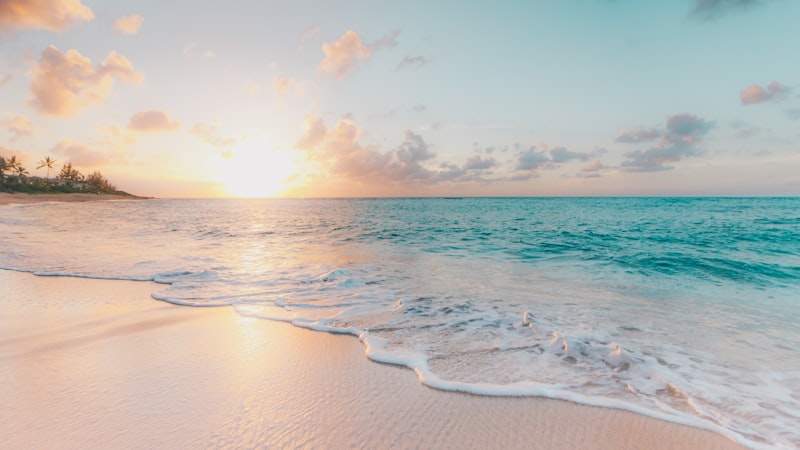
Seaside Apartments in Sardinia: Beach Life & Self-Catering
Sardinia, Italy's second-largest island, offers some of Europe's most pristine beaches and clearest water. Seaside apartments (short-term vacation rentals) provide flexible, family-friendly accommodation with kitchen facilities and often direct beach access.
Apartment Benefits
Self-catering means cooking your own meals—cheaper than restaurants and better for families. Weekly rates (€400-900) beat per-night hotels (€80-180/night). Flexibility: arrive and depart on your schedule, no fixed meal times. Space: 2-bedroom apartments provide room for families.
Many include: kitchens, washing machines, balconies, sometimes pools. Maid service varies (€20-40 per visit). Linen changes weekly included in most rentals.
Beach Regions
Costa Smeralda (Emerald Coast), northeast, is Sardinia's most famous beach area. Pristine sandy beaches, clear turquoise water, upscale development. The resort town Porto Cervo anchors the coast.
Apartment prices: €700-1,200/week low season (May, September-October), €1,200-2,000/week summer (June-August). It's expensive, reflecting the area's prestige. Beaches: Spiaggia del Principe, Capriccioli, Liscia Ruja.
South Coast, around Chia, Pula, and Santa Margherita di Pula, is less developed and cheaper. White sand beaches, fewer crowds. Apartments: €500-800/week low season, €800-1,300/week summer. Beautiful and underrated.
West Coast, around Alghero, combines beaches with medieval old town character. Apartments: €450-700/week low season, €700-1,100/week summer. Beach access varies but prices are moderate.
Maddalena Islands (off northeast coast) are quieter and more natural. Limited accommodation—search early. Apartments: €400-700/week. A ferry connects to Palau on mainland (€15 roundtrip).
Finding Apartments
Airbnb, Vrbo, and Booking.com list thousands of Sardinian vacation rentals. Filter by beach proximity, number of bedrooms, and amenities. Read reviews carefully—quality varies significantly.
Italian websites Local agencies Beach distance Kitchen amenities Air conditioning Water quality Parking Snorkeling & diving Boat excursions Coastal hiking Towns & culture Fish markets Supermarkets Restaurants Wine Weekly apartment (€600-1,000) + groceries (€80-120) + dining out (€150-250) + activities (€100-150) = €930-1,520 weekly, or €130-220/person/day for couple. Much cheaper than hotels. Save money: Cook 80% of meals, eat out selectively (2-3 times weekly). Budget 2-night stays (€80-140 nightly) versus weekly rentals (€100-170 nightly) if travel dates are flexible. May-early June and September-October: Perfect weather (20-28°C), manageable crowds, reasonable apartment prices. Ideal time to visit. July-August: Peak heat (32-35°C), maximum tourists, highest prices. Beaches crowded, reservations essential. November-April: Winter temperatures (10-15°C), occasional rain, many businesses close. 50% price reductions make it viable for off-season travelers, but water is cold (14-16°C) for swimming. Rent a car (€35-50/day) to explore the island. Public transport is limited. Return rental car with full tank to avoid inflated fuel charges. Book apartments 2-3 months in advance for summer. For the best accommodation options, browse verified properties on DirectBookingsItaly.com, where booking directly with owners saves 15-25 percent compared to major platforms. Explore more of Italy: Italian Wine Regions, Venice Italy, Italy Island Timing Strategy 2026. Choosing the right accommodation significantly impacts both your experience and budget. Central locations cost more per night but save 10-20 euros daily on transport. For the best value, book directly with property owners through DirectBookingsItaly.com rather than major platforms. Direct booking typically saves 15-25 percent because platform commission fees are eliminated. A property at 130 euros per night on mainstream platforms often costs 95-110 euros when booked directly. Self-catering apartments with kitchen access provide additional savings by allowing you to prepare meals from local market ingredients. A grocery-prepared dinner for two costs 10-15 euros versus 40-60 euros at a restaurant. Many property owners provide invaluable local recommendations that guidebooks miss, from the best bakery for morning cornetti to the trattoria where locals actually eat. For longer stays of seven or more nights, owners frequently offer additional discounts of 10-15 percent beyond the already lower direct booking price. Italy has extensive rail networks operated by Trenitalia (state railway) and Italo (private high-speed). High-speed trains connect major cities efficiently: Rome to Florence takes 90 minutes, Rome to Naples 70 minutes, Milan to Venice 2.5 hours. Book 2-4 weeks ahead for best fares starting at 19-29 euros for routes costing 50-80 euros at full price. Regional trains are slower but cheaper and require no reservation, making them ideal for shorter distances between neighboring towns. Within cities, single bus or metro tickets cost 1.50-2 euros valid for 75-100 minutes. Multi-day passes offer better value for active sightseers. Validate paper tickets at yellow machines on buses before traveling. Inspectors issue 50-55 euro fines for unvalidated tickets regardless of tourist status. For rural areas like Tuscany, Puglia, or Sicily, rental cars start at 25-40 euros per day and provide the most flexibility for reaching smaller towns, vineyards, and beaches that public transport serves infrequently. Italy is generally very safe for travelers, though petty theft occurs in busy tourist areas of major cities. Keep valuables in front pockets or a crossbody bag near major attractions and train stations. Common scams include people offering free bracelets then demanding payment, fake petition signers who distract while accomplices pickpocket, and unofficial taxi drivers charging inflated rates outside stations. Always use official taxi ranks or pre-book transfers through your accommodation host. Restaurant customs differ from other countries in important ways. Coperto (cover charge of 1-3 euros per person) is standard and legal. Service charge is rarely included; tipping 5-10 percent for good service is appreciated but not obligatory. Check menus for prices before ordering, especially seafood priced per weight (marked per etto, meaning per 100 grams). Drinking water from taps and public fountains is safe throughout Italy and saves considerably on bottled water costs over a trip. Spring (April-May) brings pleasant temperatures of 18-25 degrees Celsius, wildflowers, and manageable crowds. This is ideal for outdoor activities, photography, and exploring without summer heat. Accommodation prices sit 20-30 percent below peak summer rates. Autumn (September-October) offers similar advantages with harvest festivals, wine events, and golden afternoon light that photographers prize. Both shoulder seasons combine comfortable weather with genuine local atmosphere. Summer (June-August) delivers warm weather and long days but also higher prices and larger crowds. Accommodation costs peak at 30-50 percent above shoulder season, popular attractions require longer waits, and temperatures in southern regions exceed 30 degrees. Budget-conscious travelers should consider early June or late August for summer weather with slightly reduced crowds. Winter (November-March) offers the most affordable travel with prices dropping 40-60 percent. Northern Italy sees cold temperatures while southern regions remain mild. Museums are uncrowded, restaurants serve seasonal specialties, and Christmas markets add festive atmosphere to many towns. Budget management significantly extends Italian travel. Direct accommodation booking through DirectBookingsItaly.com eliminates platform commissions, saving 15-25 percent on every night. Self-catering apartments cost less than hotels while providing kitchen facilities that reduce restaurant dependence. Market shopping for breakfast and lunch ingredients (8-15 euros daily for two people) versus restaurant dining (30-50 euros) creates substantial savings compounding over multi-day stays. Transportation savings accumulate through advance train booking (19-29 euros versus 50-80 euros for same routes), multi-day transit passes in cities, and strategic use of regional trains versus high-speed services. Museum combination tickets and city passes reduce per-attraction costs for active sightseers. Free attractions including churches, piazzas, markets, and parks provide culturally rich experiences without entrance fees. Aperitivo culture (5-8 euro drinks accompanied by complimentary snacks) serves as affordable early-evening dining substitute at many Italian bars. The best time to visit Sardinia depends on your priorities. Peak season (June through August) brings warm weather and long days but also higher prices and bigger crowds. Accommodation costs are 30-50 percent higher than shoulder season. Shoulder season (April-May and September-October) offers pleasant temperatures of 18-25 degrees Celsius, manageable crowds, and lower prices. Spring brings wildflowers and outdoor dining. Autumn offers harvest festivals, wine events, and golden light perfect for photography. Winter (November through March, excluding holidays) is the most affordable period with prices dropping 40-60 percent below peak rates. Northern Italy sees cold temperatures (0-8 degrees) and occasional snow while southern regions and Sicily remain mild (10-15 degrees). Museums are uncrowded, restaurants serve seasonal specialties like truffles and roasted chestnuts, and Christmas markets add festive atmosphere. Budget-conscious travelers experience Sardinia for 40-60 percent less than summer visitors while enjoying authentic atmosphere. Choosing the right accommodation significantly impacts your experience and budget. Central locations cost more per night but save 10-20 euros daily on transport. For the best value, book directly with property owners through DirectBookingsItaly.com rather than major platforms. Direct booking typically saves 15-25 percent because platform commission fees are eliminated. A property at 130 euros per night on mainstream platforms often costs 95-110 euros when booked directly. Self-catering apartments with kitchen access provide additional savings by allowing you to prepare meals from local market ingredients. A grocery-prepared dinner for two costs 10-15 euros versus 40-60 euros at a restaurant. Many property owners provide invaluable local recommendations that guidebooks miss, from the best bakery for morning cornetti to the trattoria where locals actually eat. For longer stays of seven or more nights, owners frequently offer additional discounts of 10-15 percent. Italy has extensive rail networks operated by Trenitalia (state railway) and Italo (private high-speed). High-speed trains connect major cities: Rome to Florence takes 90 minutes, Rome to Naples 70 minutes, Milan to Venice 2.5 hours. Book 2-4 weeks ahead for best fares starting at 19-29 euros for routes costing 50-80 euros at full price. Regional trains are slower but cheaper and require no reservation. Within cities, single bus or metro tickets cost 1.50-2 euros valid for 75-100 minutes. Multi-day passes offer better value: Rome 48-hour pass costs 12.50 euros, Florence 3-day pass 12 euros. Validate paper tickets at yellow machines on buses. Inspectors issue 50-55 euro fines for unvalidated tickets. For rural areas like Tuscany or Puglia, rental cars start at 25-40 euros per day and provide the most flexibility. Italy is generally very safe but petty theft occurs in busy tourist areas. Keep valuables in front pockets or a crossbody bag near major attractions and train stations. Common scams include people offering free bracelets then demanding payment, fake petition signers who distract while accomplices pickpocket, and unofficial taxi drivers charging inflated rates. Always use official taxi ranks or pre-book transfers. Check restaurant menus for prices before ordering, especially seafood priced per weight (marked per etto, meaning per 100 grams). A fish at 8 euros per etto costs 80 euros per kilogram. Drinking water is safe from taps throughout Italy. Rome public fountains provide free fresh mountain water. Carry a refillable bottle to save on bottled water. Italy uses the Euro. ATMs (bancomat) are widely available with competitive exchange rates. Credit cards are accepted at most restaurants and shops but carry cash for smaller establishments and markets. Shops typically close for lunch (13:00-15:30), especially in smaller towns. Pharmacies (marked with green cross) are well-stocked and pharmacists advise on minor health issues. Emergency number is 112. Tap water is safe throughout Italy. Free WiFi is available in many cafes and public spaces. For reliable connectivity, local SIM cards from TIM, Vodafone, or WindTre cost 10-20 euros with generous data. Whether you are planning a short city break or an extended Italian holiday, Sardinia offers unforgettable experiences for every type of traveler. Book your accommodation directly with property owners through DirectBookingsItaly.com to save 15-25 percent and enjoy a more personal, authentic travel experience.What to Look For
Activities Beyond Beach
Food & Markets
Costs & Budget
When to Visit
Practical Tips
Where to Stay
Getting Around Italy
Practical Tips for Visitors
Seasonal Visiting Guide
Money-Saving Strategies
Planning Your Trip to Sardinia
Where to Stay in Sardinia
Getting to and Around Sardinia
Safety Tips for Travelers
Essential Practical Information
Conclusion