Cycling teams touring Italy need hotels that understand early 6am breakfasts, secure bike storage for 20 to 50 bikes, and flexible meal timing around 120-kilometre days. This guide maps the three most popular Italian cycling regions, identifies the best bike-friendly properties, and shows how direct booking saves group cycling teams 3,500 to 8,000 EUR per week while gaining kitchen access and route-planning support.
Dolomites: The climbing capital and multi-week base strategy
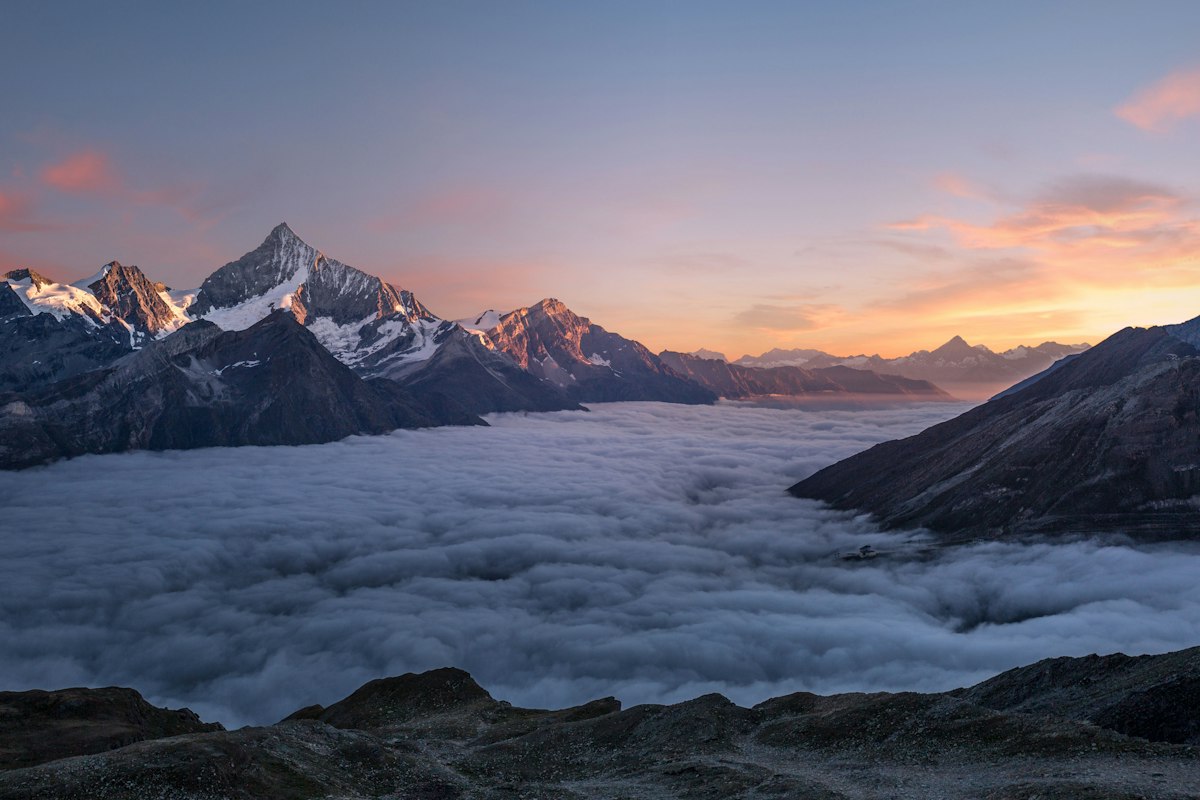
The Dolomites remain the gold standard for European cycling teams, home to the Giro d'Italia's most legendary climbs: Passo dello Stelvio (2,758m, 24.3km from Prato allo Stelvio), Passo Gavia (2,652m, 16.1km from Ponte di Legno), and Passo Mortirolo (1,852m, 12.3km). A four-week July or August cycling camp at a Dolomites base hotel allows teams to rotate through two or three 100-150km stage routes weekly, with acclimatisation and recovery built in. Popular base camps sit in Val Pusteria (Dobbiaco, Cortina, Sesto) or around Merano on the south side of the range. The Dolomites offer a cycling ecosystem unmatched anywhere in Europe: supporting villages within 5 to 15km of major climbs, climbing-specific restaurants with pasta-loaded menus, and mechanic shops in every town equipped to service any bike brand. July averages 18 to 22 degrees Celsius at valley level and 8 to 12 degrees at 2,500m elevation, making layering essential but heat management straightforward.
The best Dolomites cycling hotels are family-run properties in villages rather than in the major towns. Hotel Kreuzwiese in Dobbiaco, Hotel Panorama in Sesto, and the rifugios around Tre Cime all offer 40 to 70 beds, dedicated bike repair rooms with compressed air and workstands, and staff familiar with Giro d'Italia route preparation. These properties charge 65 to 110 EUR per person per night including dinner and breakfast, and negotiate group rates down to 55 to 85 EUR for teams committing to two or three weeks. Breakfast service typically starts at 6am for cycling teams, with packed-lunch preparation beginning by 5:30am, a flexibility that mainstream hotels rarely offer. Many Dolomites cycling hotels employ former professional mechanics or Giro d'Italia team support staff, giving them credibility with serious touring groups. The proprietors understand that cycling teams burn 5,500 to 7,000 calories daily and require 1.5 to 2kg of carbohydrates at dinner, which translates to oversized portions, unlimited bread, and dessert included in the per-person rate. Post-ride massage partnerships are common: hotels coordinate with local physiotherapists for 30 to 45-minute sports massage (60 to 90 EUR per session) available daily at 5:00 to 7:00pm.
Accommodation-plus-catering packages in the Dolomites are the real leverage point for cycling teams. Rather than paying for a room and sourcing meals separately, negotiating a 1,800 to 2,500 EUR per-team-per-week all-inclusive rate (22 to 30 riders, 7 nights, room, breakfast, dinner, packed lunch) saves the team coordinator 15 to 25 percent versus booking rooms on OTAs and catering separately. Direct negotiation for two or three consecutive weeks in shoulder season (May or September) typically hits the lower end of that range, and the hotel gains revenue certainty. A worked example: 28 cyclists booking a Dobbiaco family hotel for 14 consecutive nights in May negotiate: 28 rooms at 65 EUR per night including breakfast and dinner (2,570 EUR per night, 35,980 EUR total), plus 28 packed lunches at 12 EUR per lunch per day (3,360 EUR total), for a grand total of 39,340 EUR or 1,405 EUR per cyclist for 14 nights. Booking the same 28 rooms on Booking.com at 85 EUR per night costs 33,320 EUR in accommodation plus 25 to 30 percent OTA commission markup, landing closer to 42,000 to 43,000 EUR. The direct package saves the team 2,600 to 3,660 EUR.
Tuscany: Strade Bianche routes and rolling-landscape stage planning
Tuscany is the gravel-road cycling centre of Italy, home to the Strade Bianche professional race route (215km of white gravel roads between Siena and Pienza each March) and hundreds of secondary white-road networks suitable for mixed-terrain touring. The classic Strade Bianche route covers 11 major gravel sections totalling 80km of dirt over 215km, and cycling tour operators design 80 to 120km stage routes using these same roads. Tuscany offers lower altitudes than the Dolomites but harder technical demands due to washboard surfaces and variable conditions after rain.
Bike-friendly accommodation in Tuscany sits in rolling hills rather than mountains. Properties near Montepulciano, Montalcino, and Pienza offer 30 to 50 beds, covered bike storage (critical for Strade Bianche due to mud), and kitchens where teams can clean and maintain bikes for two hours in the afternoon without offending other guests. Hotel Brunello in Montalcino, Osteria Francescana in Modena (one hour north of the core Strade Bianca region), and farmstay properties like Agriturismo Podere La Fonte charge 70 to 115 EUR per person per night with dinner and breakfast. Tuscany rates tend to run 10 to 20 percent higher than the Dolomites, but the terrain is lower-impact and suitable for mixed-ability touring teams. Strade Bianche gravel sections are unpredictable: heavy rain turns them to mud, dust, and slippery clay. A bike storage room where riders can rinse bikes, remove mud, and inspect brake performance is non-negotiable. Agritourism properties typically have outdoor wash stations and shaded areas perfect for drying mud-caked frames. Strade Bianche preparation includes tyre changes (switching from road tyres to 28mm or 35mm gravel tyres), so a mechanical workstation with a repair stand and tyre levers is essential.
The Strade Bianca advantage is that route planning works on white-road mapping rather than elevation data. A two-week Tuscany cycling tour typically covers 900 to 1,200km with 2,000 to 3,000m of elevation gain spread across six to seven 120 to 180km stages, making it accessible to amateur teams with three to five years of touring experience. Hotels in this region negotiate well for two to three week bookings from April to May and September to October, offering rates as low as 1,650 to 2,200 EUR per team per week including meals, one percentage point lower than Dolomites because accommodation supply is higher.
Puglia: Low-altitude coastal loops for winter and spring training
Puglia (the heel of the Italian boot) offers the flattest, least crowded cycling in Italy, making it ideal for winter training camps and early-spring build phases. The Giro d'Italia rarely stages here because the terrain is not dramatic, but cycling teams value it for exactly that reason: 120km days with minimal elevation gain, consistent tailwind patterns, and accommodation at the lowest prices in Italy. Route loops typically connect small towns in the Valle d'Itria (Alberobello, Martina Franca, Cisternino) or run coastal roads along the Adriatic (Brindisi south to Santa Maria di Leuca).
Bike-friendly hotels in Puglia include three-star and family-run properties charging 55 to 85 EUR per person per night, roughly 25 to 40 percent lower than Tuscany. Properties like Hotel Masseria San Domenico near Cisternino, Hotel Trulli near Alberobello, and smaller masseria (fortified farm) conversions offer 25 to 45 beds, simple but reliable bike storage, and willingness to coordinate with cycling teams around meal timing. Puglia properties often have kitchen facilities available to groups, and staff routinely prepare 1,200 to 1,500 calorie packed lunches starting at 5:30am without the formal restaurant protocols of more upscale regions.
Group cycling rates in Puglia flatten out around 1,200 to 1,600 EUR per team per week all-inclusive (22 to 28 riders, 7 nights), a 25 to 35 percent saving versus Tuscany equivalent. Winter camps (December to February) push rates even lower because Puglia has no traditional ski season and hotels are actively discounting shoulder-season occupancy. A team booking a full March (27 nights) in Puglia might negotiate down to 4,500 to 5,500 EUR total including all meals, a cost-per-team-per-night of just 165 to 205 EUR, sustainable only in low-cost southern regions. Puglia cycling routes avoid the limestone dust that clogs drivetrains in Tuscany and the high-altitude weather unpredictability of the Dolomites. Instead, teams encounter rolling fields, sea-level wind effects, and flat-to-rolling terrain that builds aerobic power without taxing joints. The trade-off is heat: July temperatures in Puglia run 28 to 32 degrees Celsius, requiring midday rest or very early (5:30am to 9:00am) riding. Hotels accommodate this rhythm with 5:00am breakfasts and shade areas for afternoon recovery.
The bike-friendly hotel checklist: what to demand in the contract
Every cycling team contract should mandate five infrastructure items: covered bike storage for 1 bike per guest (minimum 60 to 100 square metres), a dedicated bike repair station with compressed air, workstand, and basic tools, a 5:30 to 6:00am breakfast service (not the standard 7:30am restaurant opening), packed-lunch preparation available by 6:30am, and washroom access (shower, laundry sink) before the team departs. Hotels that cannot guarantee all five are not cycling-ready, regardless of price, because a team without secure bike storage will lose 15 to 25 percent of its riding time to mechanical delays and repair hunting.
Breakfast timing is the single highest-friction point between cycling teams and standard hotels. Cycling teams need to depart by 6:45 to 7:15am to avoid midday heat and traffic, requiring breakfast by 6:15am at the latest. Mainstream Italian hotels serve breakfast from 7:30 to 10:00am. A cycling-friendly property either opens the breakfast room early for groups or provides a boxed breakfast package that teams collect at 5:45am. Early breakfast should be written into the contract with a specific time guarantee and a penalty clause (free meal or 50 EUR credit) if the hotel fails to deliver on any date. The best Dolomites and Tuscany cycling hotels offer tiered breakfast: 5:45 to 6:15am for teams departing early, 7:00 to 7:45am for teams with a later start. This flexibility accommodates rest days and schedule variations without requiring multiple breakfast services.
Kitchen or meal-prep access is the second lever. Teams riding 120km daily burn 5,500 to 6,500 calories and cannot rely on restaurant food timing. A contract clause guaranteeing access to a kitchen sink, refrigerator space, and a prep table for two hours in the early evening (5:30 to 7:30pm) allows teams to assemble post-ride snacks, manage dietary requirements, and store prepared meals. Hotels charging 85 to 100 EUR per person per night usually include this; properties at 65 to 75 EUR may require a 500 to 800 EUR weekly fee for kitchen privileges, still cheaper than sourcing food from local restaurants. This kitchen access also covers special dietary needs: vegan cyclists can prepare their own carbohydrate-heavy meals, athletes with gluten intolerance can source and prepare gluten-free pasta and bread, and teams managing food allergies have a safe space to prepare meals without cross-contamination risks. Cycling hotels should stock basic pantry items (pasta, oil, salt, pepper) so teams only need to source vegetables, proteins, and specialty items from markets.
Direct booking savings: group contracts, master billing, and volume discounts
Cycling tour operators and team coordinators booking via OTA platforms pay commission markups of 15 to 20 percent, and OTA parity clauses prevent hotels from offering better direct rates to teams even if the team contacts the hotel directly. A 25-person cycling team staying 7 nights at a 85 EUR per night hotel through Booking.com costs 15,000 EUR (85 x 25 x 7 + 15 to 20 percent commission baked into the rate). The same 25-person team booking directly with a hotel negotiates down to 70 to 75 EUR per night (a 15 to 20 percent direct saving), landing at 12,250 to 13,125 EUR. For 50-person teams over three weeks, the cumulative saving reaches 12,000 to 18,000 EUR.
Master billing is a second lever unique to direct cycling tour bookings. Instead of 25 team members settling individual bills, the hotel sends one monthly invoice to the team coordinator, who settles with the team captains as a single bank transfer. This simplifies cash flow for the hotel and reduces accounting friction by 80 to 90 percent, worth another 3 to 5 percent discount. Hotels also front-load value for multi-week bookings: a team committing to 14 nights gains included transfers from the nearest airport (Bolzano for Dolomites, Siena for Tuscany, Bari for Puglia), discounted laundry service, and flexible check-in/checkout windows, benefits worth 800 to 1,500 EUR across the stay.
Direct Bookings Italy specialises in cycling team contracts, pre-negotiating frameworks with 500+ verified cycling-focused hotels across the Dolomites, Tuscany, and Puglia. Group bookings through DBI typically save 12 to 18 percent versus OTA rates while adding guaranteed bike storage, early breakfast, and kitchen access clauses that OTA bookings cannot enforce. For a 25-person team touring for three weeks, the saving covers a full week of accommodation for the team leader at no extra cost, plus DBI handles all contract negotiation and dispute resolution if issues arise on-site. DBI also coordinates with local restaurants for group catering (sourced from hotels' preferred partners), arranges bike mechanic support at the accommodation base (either a mechanic on-site or a partnership with a town mechanic who can be called for repairs), and assists with route planning by providing detailed GPS files and elevation profiles customized to team fitness level and goals. DBI maintains relationships with bike transport services (Bikeboxal, local couriers) and negotiates group shipping rates, saving teams 60 to 120 EUR per bike when booking for 20+ riders.
Why direct booking matters for this service
Every topic in this guide comes back to the same economic reality: the OTA commission model adds 15 to 22 percent to the price a traveller pays Italian accommodation operators, while adding nothing to the quality or reliability of the stay. Direct Bookings Italy’s 111,000+ verified Italian properties exist to eliminate that markup. On a typical group or long-stay booking, the savings land at 15 to 25 percent of the list price, and the service flexibility (date changes, extensions, master billing, early breakfast, custom meals) is materially better than OTA support lines can offer.
The second reason direct booking matters here is operational. Italian accommodation is mostly small independent operators, many family-run, where the person answering the phone is the person who owns the business. That relationship is where the real flexibility lives: a last-minute room block addition for an extra pilgrim, a crew kitchenette negotiated at no extra cost, a discreet shift of check-in time for a bridal party, a chaplain suite comped for a parish group. These accommodations happen routinely in direct relationships and almost never through OTA support queues. For any of the service lines above, the direct booking path produces a better and cheaper experience.
How Direct Bookings Italy supports Sports Team Travel
Organising a sports trip to Italy? Direct Bookings Italy handles team blocks, early breakfast for training, bike storage, and master-billed group accommodation. See our sports team travel support.
Frequently asked questions
What elevation should our team be accustomed to before tackling Stelvio or Gavia?
Teams should have ridden sustained climbs of 1,200m+ elevation gain previously. Stelvio is 2,100m+ continuous climb, Gavia is 1,800m+. Start with lower passes (Passo Falzarego, 2,105m) or Dolomite loops (1,200-1,500m daily) for two weeks before attempting Stelvio.
Can we bring our own catering or must we use the hotel restaurant?
Direct negotiations can include a catering waiver: the hotel reduces nightly rates 8 to 12 EUR per person in exchange for letting teams source their own meals. This works if your team has catering experience. Alternatively, negotiate menu customisation directly with the hotel kitchen.
What is the best time to book a cycling tour accommodation contract?
Book 8 to 10 months ahead for peak season (July, August) in the Dolomites or Tuscany. Shoulder season (May, September) requires 5 to 6 months notice. Winter Puglia training camps can be negotiated 4 to 5 months out and offer the deepest discounts.
How should we arrange bike transport to and from the hotel?
Direct booking hotels in Dolomites and Tuscany negotiate bike-transport partnerships with local coach operators (150 to 250 EUR for 25 bikes, one way). Puglia is 2+ flights away; shipping bikes via Bikeboxal (40 to 60 EUR per bike) or picking up rental bikes on-site (35 to 50 EUR per bike per week) is often simpler than flying with personal bikes.
Explore More of Italy
Continue planning your Italian adventure: Otranto, Bologna Food Capital, Milan Medical Tourism Hub. Book accommodation directly through DirectBookingsItaly.com to save 15-25% on your stay.